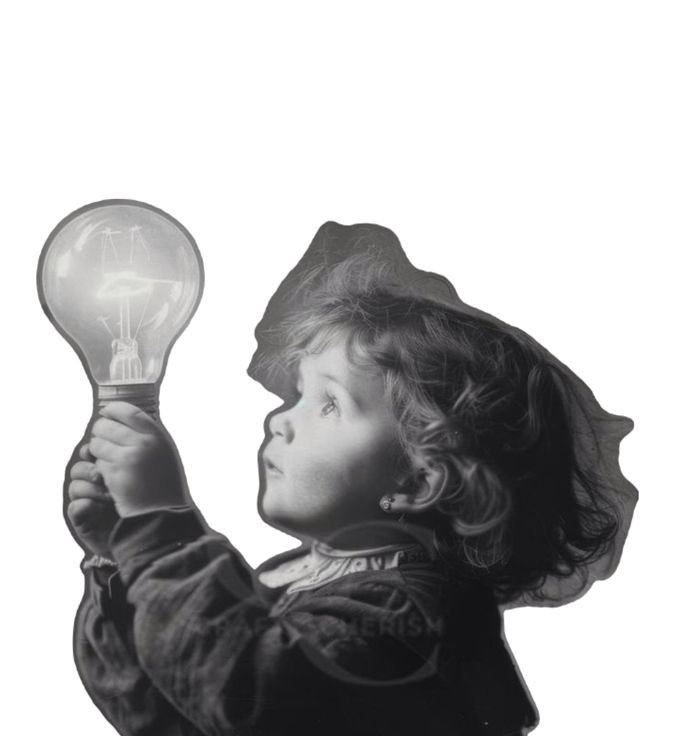
Inspiration vs. Copying: The Fine Line in Creativity
1. What is Inspiration?
Inspiration is about capturing the “spirit” or the “essence” of a work, not its physical form. When you are inspired by something, you:
- Deconstruct the idea and rebuild it using your own voice and style.
- Add a new perspective or a personal layer of experience.
- Transform the original concept into something fundamentally different.
- The Logic: Inspiration is about transformation, not repetition.
2. What is Copying?
Copying (or Plagiarism) is the reproduction of the structure, specific words, or the exact logic of a work without adding any new value.
- Signs of copying: Identical structure, the same examples, the same sequence of arguments, and hiding the original source.
- The Risk: While copying might provide a shortcut to quick results, it destroys your long-term credibility and stunts your creative growth.
3. The Deep Distinction: Personal Processing
No idea is truly 100% original; we all stand on the shoulders of giants. However, the difference lies in the “Mental Filter”:
- Inspiration = Shared Input + Personal Processing
- Copying = Shared Input – Personal Processing
If your “mental filter”—your unique way of seeing the world—is absent from the final output, you are likely copying.
4. How to Ensure You Are Inspiring, Not Copying?
Ask yourself these key questions before publishing:
- What have I added to this? (A new angle, a better explanation, a different context?)
- Does it have an independent identity? If I remove the original source, does my work still stand on its own?
- Can the audience recognize my “voice”?
5. The Professional Formula: Learn, Absorb, Recreate
The healthy creative process follows three stages:
- Analysis: Study the source deeply to understand why it works.
- Distancing: Step away from the source for a while to let the information settle in your subconscious.
- Recreation: Write or create from scratch using only your memory and your own vocabulary.
6. The Mental Danger of Copying
Copying isn’t just an ethical issue; it’s a cognitive one.
- When you copy, your brain becomes “lazy.” It stops building the neural pathways required for complex problem-solving.
- When you inspire and recreate, you build Creative Confidence. You teach your brain that it is capable of generating value, which makes the next project even easier.
Summary
Inspiration is: “Learning from others but speaking with your own voice.”
Copying is: “Repeating the words of others through your own mouth.”
In the age of AI, where reproduction is instant, the ability to reimagine and recreate is the only thing that truly sets a human creator apart from a machine.